Cycloidal gearbox prototypes
3D-printed and machined prototypes of a compact cycloidal reduction drive, developed for a robotic-arm concept and used to explore the trade-offs between backlash, stiffness, compactness, and manufacturability.
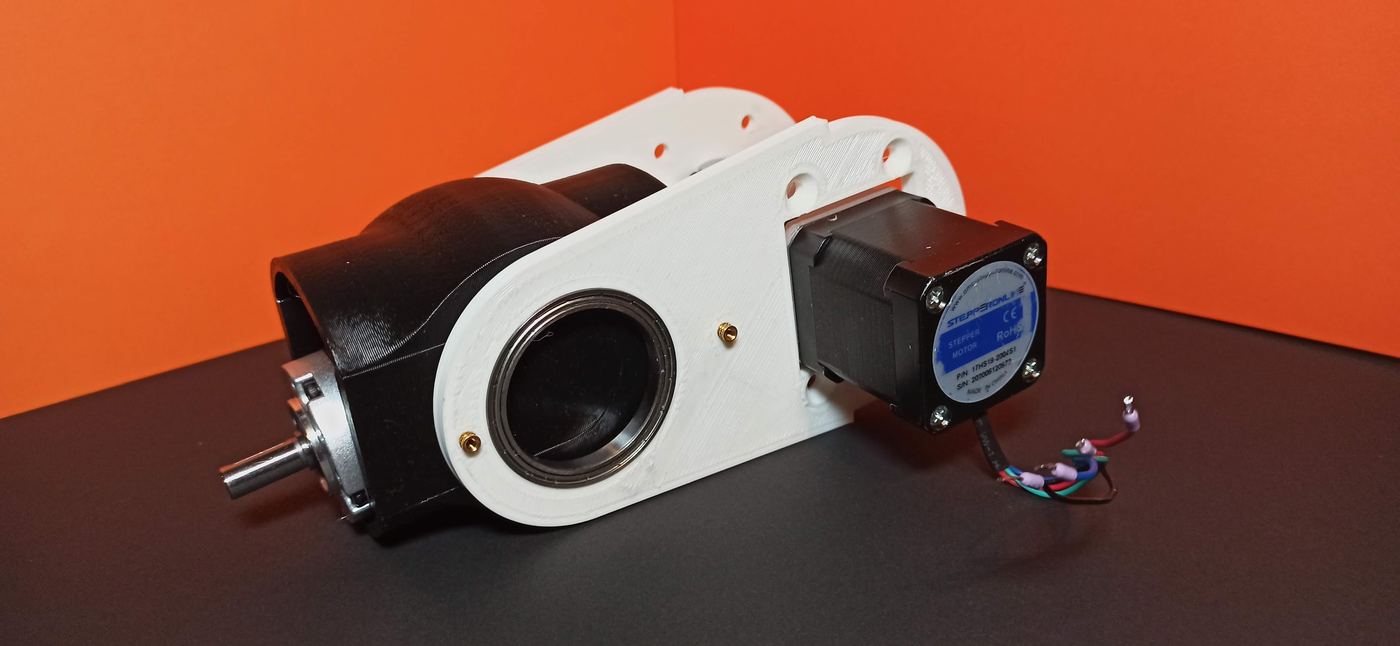
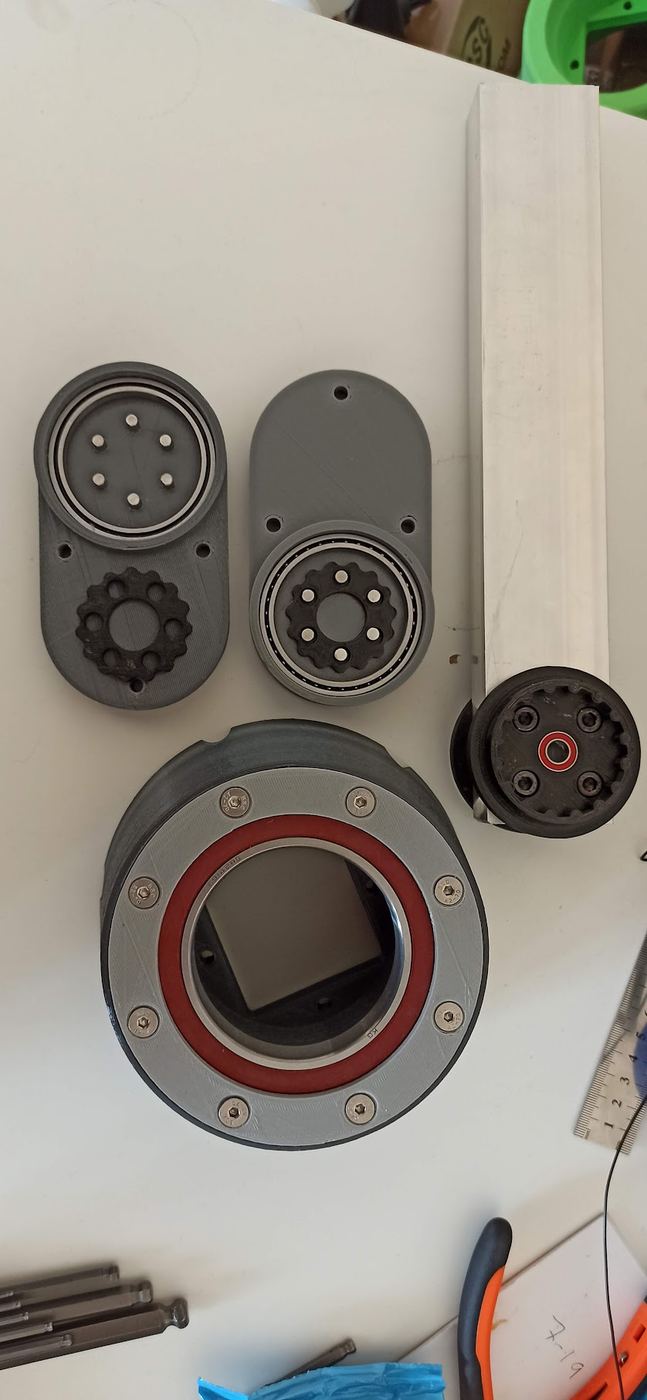
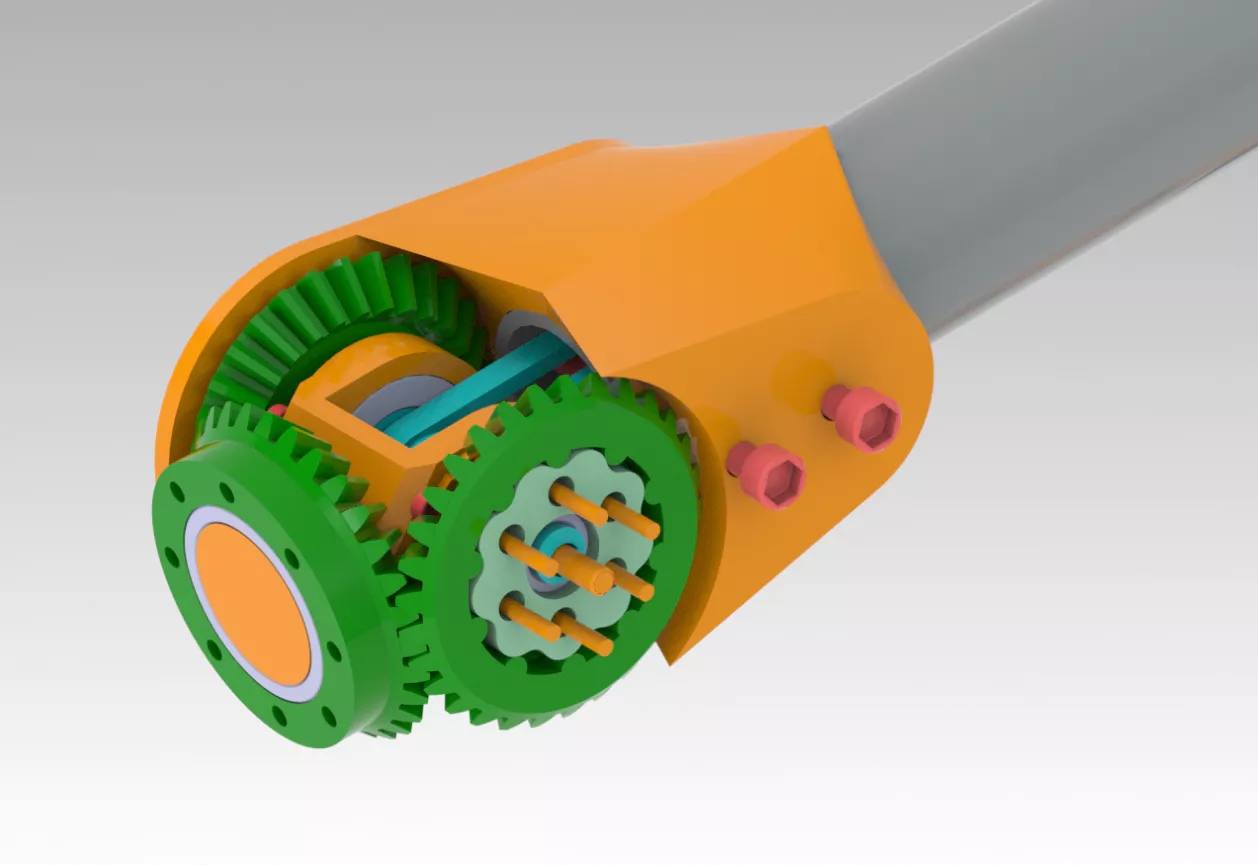
The work explored whether cycloidal reduction could provide compact, low-backlash actuation without the fine gear teeth used by planetary gearboxes. A series of 3D-printed prototypes developed the disc geometry and kinematics, producing several workable reducers.
FDM printing proved to be the principal constraint: dimensional accuracy, torsional stiffness, heat deflection, and creep all affected smooth motion. A subsequent machined version clarified that the design required further development before it could deliver the intended performance.
The resulting prototypes provide a useful benchmark for a future demonstrator. They also made the engineering trade-offs clear: cycloidal drives can provide compact, robust reduction, but precision robotics places demanding requirements on geometry, balance, bearings, and assembly.